

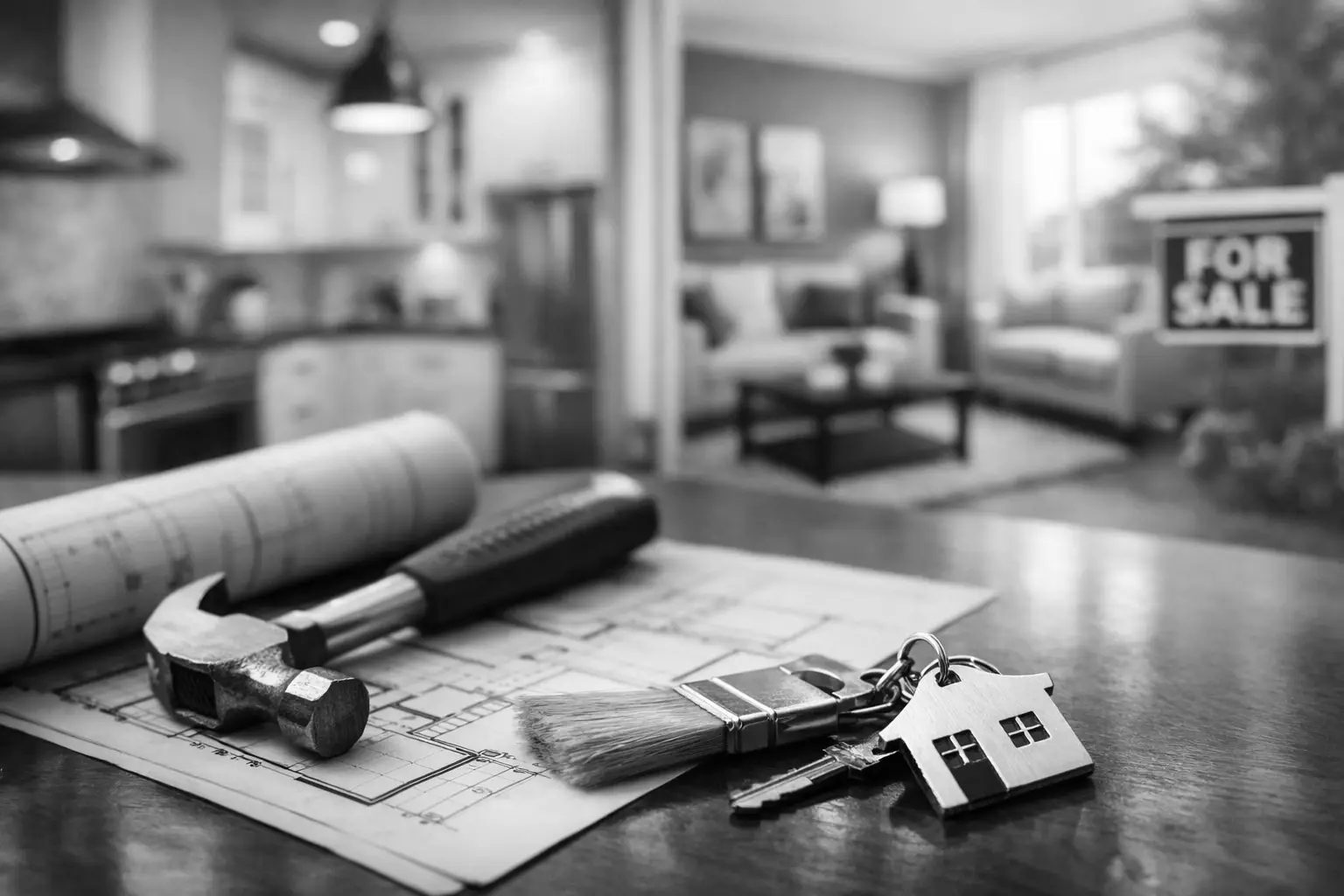
If you’re getting ready to sell, the best upgrades before home sale are rarely the flashy ones. Most sellers do not need a dream kitchen remodel or a full basement overhaul. What moves the needle is simpler: the best upgrades before home sale that make the home feel clean, cared for, bright, and move-in ready without eating into your equity.
That matters even more in the Chicago market, where buyers are comparing your home against polished online photos, updated listings nearby, and rising monthly ownership costs. When rates and taxes already stretch budgets, buyers notice condition fast. They may still buy a home that needs work, but they usually expect a discount for it.
How to choose the best upgrades before home sale
Start with one question: will this improve buyer perception faster than it increases your cost? That is the standard. A pre-sale upgrade should help your home show better, photograph better, or reduce the buyer’s fear that bigger problems are hiding underneath.
When considering the best upgrades before home sale, focus on improving key aspects that buyers notice immediately.
This is where many sellers overspend. They choose personal wish-list projects instead of market-facing improvements. A $60,000 kitchen may not return what it cost. Fresh paint, updated light fixtures, repaired trim, and refinished floors often do more for the sale because they change the whole feel of the house at a fraction of the price.
The smart approach is not “what would I love if I stayed here another 10 years?” It is “what will the next buyer notice in the first 10 minutes?”
The upgrades with the strongest payoff
Paint is still one of the best upgrades before home sale
These best upgrades before home sale can significantly enhance your home’s appeal and value.
Fresh interior paint is one of the highest-value moves available to sellers. It covers wear, brightens rooms, and gives buyers a sense that the home has been maintained. In most cases, neutral tones win because they make spaces feel larger and let buyers picture their own furniture and style.
That does not mean every room must look sterile. It means avoiding loud accent walls, dark colors that shrink a room in photos, or personalized choices that turn into objections. In older Chicago-area homes, repainting trim, doors, and baseboards can make just as much impact as repainting walls.
If the exterior paint is peeling or visibly dated, that also deserves attention. Buyers often decide how they feel before they ever walk through the front door.
Flooring matters more than sellers think
Choosing the best upgrades before home sale, such as flooring updates, can greatly influence buyer perception.
Flooring has a huge effect on perceived value. If hardwood exists under old carpet and can be refinished, that is often money well spent. If hardwood is already exposed but scratched and dull, refinishing can dramatically upgrade the look of the home.
Worn carpet is different. If it is stained, matted, or holding odors, buyers will assume replacement is needed and mentally subtract more than the real cost. New carpet can make sense in bedrooms if the price point supports it, but cheap materials can backfire. If replacement is not in the budget, a deep professional cleaning is the minimum.
LVP can work in some homes, especially where old flooring is beyond repair, but product quality matters. Buyers can usually tell the difference between a practical update and a quick cosmetic cover-up.
Kitchens should look updated, not necessarily rebuilt
In the kitchen, the best upgrades before home sale do not require total renovation but rather smart updates.
A full kitchen renovation before selling is often too expensive unless the current kitchen is severely outdated or damaged. Most of the time, a light refresh is the better move. Painted cabinets, new hardware, updated lighting, a modern faucet, and clean grout can shift the entire impression without forcing a major construction timeline.
If countertops are badly stained, chipped, or visibly dated, replacing them may be worth considering. But even here, restraint matters. You are not trying to build a magazine kitchen. You are trying to remove friction.
The same rule applies to appliances. If they are mismatched, broken, or extremely old, replacement can help. If they are functional and clean, that may be enough.
Bathrooms benefit from clean, bright updates
For bathrooms, the best upgrades before home sale emphasize cleanliness and brightness to attract buyers.
Bathrooms sell condition more than luxury. Buyers pay attention to mildew, cracked caulk, stained grout, poor lighting, and worn vanities because those details suggest neglect. Re-caulking, regrouting, swapping a dated mirror or fixture, and painting a vanity can make a bathroom feel refreshed without a gut rehab.
If a bathroom has pink tile from another era but everything is spotless and works, the answer depends on your price point and competition. In some neighborhoods, buyers will accept dated but clean. In others, they will expect a more current look. This is where local pricing strategy matters.
Fix the things buyers read as risk
Cosmetic improvements get attention, but deferred maintenance can kill momentum. Buyers may forgive old finishes. They are less forgiving about signs of leaks, foundation cracks, rotted wood, failing windows, broken handrails, or an aging HVAC system that looks one season away from replacement.
Avoid neglecting the best upgrades before home sale that address deferred maintenance, as they can be deal breakers.
Not every issue needs to be fully replaced before listing. Sometimes repair and documentation are enough. But if a problem is likely to come up in inspection, ignoring it usually costs more later. It can weaken offers, trigger credits, or create a chain reaction of doubt.
This is especially true in older housing stock. A buyer looking at a Chicago bungalow, two-flat, or vintage suburban colonial already expects some age-related quirks. What they do not want is uncertainty. The more clearly the home appears maintained, the more comfortable they feel writing a stronger offer.
Curb appeal is not optional
The outside of the home sets the tone for everything that follows. If buyers pull up and see overgrown landscaping, peeling paint, cracked walkways, or a tired front door, they assume the inside will need work too.
Curb appeal is among the best upgrades before home sale that set the right tone for potential buyers.
Good curb appeal does not require a major landscape redesign. Trim the shrubs, edge the beds, add fresh mulch, pressure wash dirty surfaces, replace dead plantings, and make sure the entry feels sharp. A new mailbox, updated house numbers, and a freshly painted front door can do a surprising amount of heavy lifting.
For sellers in neighborhoods where homes compete closely on lot size and layout, curb appeal can be the detail that gets buyers in the door instead of driving to the next showing.
Lighting and photos affect real-world offers
A home does not just have to show well in person. It has to win online first. That is why lighting updates are underrated. Old brass fixtures, dim bulbs, and yellow-toned rooms can make a home feel smaller and older in photos.
Finally, lighting updates are one of the best upgrades before home sale that can dramatically improve your home’s presentation.
Replacing outdated fixtures in dining rooms, foyers, bathrooms, and over kitchen islands is often worthwhile. Just keep the style simple and broadly appealing. Add brighter bulbs where needed, open window treatments, and make sure every room has balanced light.
This is not cosmetic fluff. Better presentation drives more clicks, more showings, and more competition. Those are the conditions that protect your sale price.
Where sellers waste money
The biggest pre-sale mistake is over-improving for the neighborhood. If your home is priced with other solid but not luxury listings, premium finishes may not be recognized or rewarded. Buyers often compare your home against nearby options, not against the amount you spent.
To avoid pitfalls, keep in mind the best upgrades before home sale to achieve broad appeal.
Another mistake is remodeling based on personal taste. Bold wallpaper, trendy tile, custom built-ins, and highly specific finishes can narrow the buyer pool. The goal before listing is broad appeal, not self-expression.
And then there is the timing issue. Big projects create delays, stress, and budget creep. If a remodel takes six weeks longer than planned and pushes your listing into a weaker market window, the math can turn quickly.
The right answer depends on your starting point
A pristine home may only need paint touch-ups, staging adjustments, and small repairs. A dated but well-kept home might benefit from selective updates in the kitchen, baths, and lighting. A property with visible maintenance issues needs those addressed first, even if the cosmetic wishlist has to wait.
Ultimately, identifying the best upgrades before home sale that align with your home’s condition is crucial.
That is why the best plan is not based on internet averages. It is based on your home’s condition, your competition, and your likely price band. Sellers who protect their equity are not the ones who spend the least. They are the ones who spend with purpose.
Before you put money into any upgrade, ask what the buyer will notice, what the photos will show, and whether the cost is likely to come back in stronger offers or a faster sale. If the answer is unclear, pause. Smart pre-sale prep is about removing objections, not funding renovations for the next owner.
The best upgrades are the ones that make buyers feel confident the moment they walk in and leave more of your money where it belongs: with you at closing.
The best upgrades before home sale are the ones that make buyers feel confident the moment they walk in and leave more of your money where it belongs: with you at closing.
By focusing on the best upgrades before home sale, you can create a welcoming atmosphere that leaves buyers eager to make an offer.