


Most Chicago sellers hear the same advice: shoot more photos, more angles, more square footage. That advice is expensive, and it often misses where real estate photography actually earns its keep. In a market where buyers scroll dozens of listings in one sitting, the sequence of images does more work than the size of the gallery. This analysis argues for a four-room screen order: kitchen, primary bath, main living space, exterior. The kitchen addresses cost. The primary bath addresses maintenance. The living space addresses fit. The exterior addresses parking and curb appeal. We will treat the first-three-images rule as a hypothesis to test, not a settled fact, and show why prep, decluttering, light, and counter staging matter more than camera gear. You will also see how Chicago buyers shop in sessions, what real estate photography pricing looks like in Chicago, and how to judge photos by objections answered, not by how pretty the house looks. A disclosure: this post comes from Spot Real Estate, a full-service listing brokerage. Before your next shoot, learn where the decision actually happens.
Spot Real Estate's analysis suggests that the sequence of listing photos is more critical than the quantity for selling a Chicago house. This analysis argues for a four-room screen order: kitchen, primary bath, main living space, and exterior. This specific order is designed to address key buyer concerns, with the kitchen addressing cost, the primary bath addressing maintenance, the living space addressing fit, and the exterior addressing parking and curb appeal. Prioritizing this sequence helps capture buyer attention in a market where buyers screen dozens of listings in one sitting.
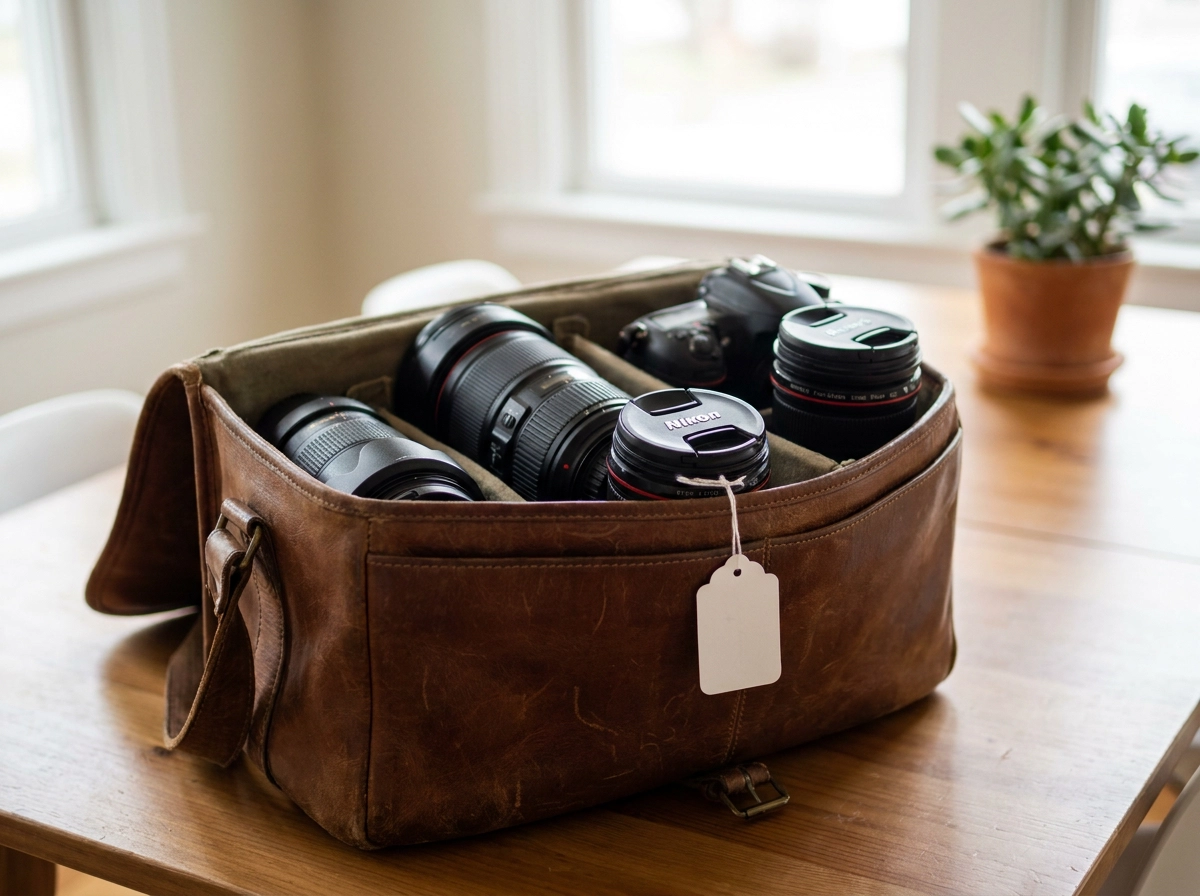
Why is more angles the most expensive advice in Chicago real estate listing photography?
Real estate photography is a pricing tool, not a decorating exercise. This article comes from Spot Real Estate, a Chicago brokerage whose listing package includes professional photography, so weigh the source accordingly. Our framework reflects observed Chicago listing practice, not a national statistic. Treat it as testable, and use only sourced numbers.
Most sellers inherit a flawed default: forty images signal effort. In practice, that gallery fills with thirty near-identical frames of the same three rooms.
Buyers shop in sessions. Someone screening many listings in one sitting gives each listing limited attention, so extra frames dilute the images that would have persuaded them. Prep time should follow where the decision happens, not the room count. The better lesson is sequencing, not volume.
How Chicago Buyers Shop: Sessions, Not Galleries
The session, not the gallery, is the unit of competition. A buyer opens a portal, filters by neighborhood, price band, bed count, and parking, then works through a session of results before opening a detail page, in our Chicago listing experience, the stack is long and the time per card is short. The search card’s lead image, plus the two or three frames above the fold, carries more weight than everything below them.
Chicago sharpens this. In high-density Chicago neighborhoods, search results can fill a screen with near-identical condo listings, so small differences in the first frames decide who gets clicked. Greystones, bungalows, and two-flats screen on facade, entry, and architectural character; subdivision homes screen on kitchen and finishes. A separate guide covers the wider prep timeline.
Which image, in which position, keeps a Chicago buyer from swiping, and who on the listing team owns that order?
The Four-Room Screen Order, and Why It Works
Order the gallery kitchen, primary bath, living space, exterior. Each slot defends itself: buyers screen condition and cost to update first, livability second, then curb appeal and parking context. This governs photo order and prep priority, not permission to skip bedrooms, basements, or storage, which still belong in the full gallery. Prep each room so it can hold its position. Which rooms matter most becomes a question about objections rather than square footage. Treat this sequence as Chicago listing practice (this reflects Spot Real Estate’s Chicago listing practice, not a published study), then test it against your own portal clicks, saves, and showing requests after launch.
Position One: The Kitchen Answers the Cost Question
Kitchen leads because cabinet fronts, counter condition, and appliance age are the first items buyers price out in their heads, long before they register finish choices. Prep accordingly: two or three counter objects maximum, no personal paperwork, wiped reflective surfaces, matched bulb color temperature, and every overhead and under-cabinet light switched on. Frame from the corner that captures the longest uninterrupted counter run, the sink window, and the appliance line; skip fisheye, which buyers read as concealment rather than width.
The image must answer one question plainly: dated but usable, or a project the buyer cannot fund in year one? Prepare the home without overspending before assuming new cabinets are the only answer. After the first week, swap the lead image and compare portal click-through against showing requests, so the choice becomes measurable rather than a matter of taste.
Position Two: The Primary Bath Answers the Maintenance Question
Once the kitchen cost is estimated, buyers hunt the next major expense. The primary bath is where plumbing, ventilation, and dated tile costs live, so it sits second.
Prep: remove bath mats, mismatched towel sets, toiletries, and tub-ledge clutter. Close the lid. Clear the vanity to one or two objects, then add a single plant or tray if the room reads cold.
Lighting: turn on vanity and shower lights, open the shade or window treatment, and shoot without direct flash so the room does not read as dark and damp.
The objection this image must answer: can I live with this bathroom for two years, or is it another project following the kitchen?
Chicago note: in vintage two-flats and greystones, make sure updated plumbing fixtures, a window, and any vent or exhaust work are visible. Buyers in that housing stock treat those as negotiating leverage. This reflects our Chicago listing experience, not published research.
Position Three: The Main Living Space Answers the Fit Question
With cost questions softened, the buyer shifts from price to fit: can our furniture, kids, and work setup live here? NAR’s 2025 staging profile supports the priority, with 37% of buyers’ agents ranking the living room most important.
Stage to show traffic flow and realistic seating, not every piece the seller owns. Remove oversized furniture that makes the room read small. Then shoot one wide, controlled angle with a level ceiling line, matching the portal’s vertical or horizontal crop.
The objection is explicit: does this home match how we actually live, including where we gather, eat, and work? After showings, ask buyers and their agents which photo prompted the visit. Chicago agents can use that feedback to refine the gallery. For the broader prep approach, see the staging section below.
Position Four: The Exterior Answers the Parking and Curb Question
With fit settled, the buyer checks the curb. In Chicago, winter ground, alley access, and parking reality can end interest before a showing, so this position earns its slot even though it is not the emotional hook. Prep it like an interior: clear and clean steps and walkways, trim plantings, remove seasonal clutter, sweep or shovel, and shoot in light that reveals the facade. Frame the full facade, entry, and roofline, plus the garage or parking pad on two-flats, bungalows, and anything where parking differentiates. The objection is blunt: what am I walking up to, and where does my car go at 6 p.m. in February. Curb appeal is not optional here. For condos, substitute building entry, hallway condition, and view, changing the content of the position rather than abandoning the sequence.
The First Three Images Decide Whether There Is a Showing
That sequence only pays off if it lands above the fold. Treat the first three images as a working rule of thumb from Chicago listing experience in a fast-scrolling market, not a published statistic. In our experience, the search card shows one lead image; the detail page reveals a few frames before a buyer scrolls, and many act before reaching the full gallery, but no published study confirms the exact mechanics. You can test it: run the same listing with a different lead image for a week, then compare saves, click-through, and showing requests. Allocate prep and shooting effort to the kitchen, primary bath, and living space before any secondary room is photographed or edited, since presentation drives value faster than renovation. This analysis comes from a brokerage that sells listing services, so read it as testable and apply it to your own market data.
In Chicago real estate, where does seller time actually go for listing photo prep?
Treat this as judgment, not research: in most Chicago listings, decluttering, light control, and one staged kitchen counter outperform an upgraded camera and a wider lens. The same prep items covered room by room above apply holistically here, declutter, match bulbs, wash windows, stage for scale. Shoot in daylight with window treatments open, switch on every fixture to avoid mixed dark zones, and avoid a single overhead light in north-facing vintage units. A modern phone in excellent light can beat a professional camera in poor light, but a real estate photography service handles lenses, exposure bracketing, editing, and MLS-ready file sizing. Example images here are black and white only, stripping color appeal and forcing attention onto light, framing, and shot order. That discipline extends to the question of what marketing beyond the MLS actually accomplishes.
What Real Estate Photography Pricing Looks Like in Chicago
If prep sets the photo’s ceiling, pricing decides who shoots it. Photographers typically structure pricing by shoot, property size, or deliverable bundle, drone, twilight, floor plans, video, and rush turnaround are common add-on variables, but always request a written quote. No 2026 Chicago quotes are cited here; treat any ranges as illustrative, not market data. Request written quotes confirming image volume, licensing, and deadlines.
Searching “real estate photography near me” returns shooters, but the sharper question is whether professional photography is already included in your listing package. Some brokerages bundle it into the listing agreement, which turns a separate line item into part of total listing cost and changes the comparison math. Compare bundled and a la carte options on total cost, not headline fee alone.
How should Chicago real estate listing photos be judged: by objections answered or by aesthetics?
Ask of every frame: which buyer objection does this answer? If you cannot name it, cut it. Hallway shots, three near-identical bedroom angles, decor close-ups, and wide shots that shrink rooms all fail that test.
Sellers are the weakest judges of their own galleries. You see memories, furniture you chose, and improvements you paid for. A buyer sees a price band on a phone screen, comparing your kitchen to the one two blocks away.
Run one exercise before the shoot: set your first six images beside three competing Chicago listings at your price and ask which gallery a stranger opens first.
Pretty still matters. Strong composition wins the search card. But polish only works after the objection-answering frames exist and sit in the right order.
According to NAR’s 2025 Profile of Home Buyers and Sellers, first-time buyers fell to a historic low of 21% of all buyers, which means the majority of active buyers are repeat purchasers with sharper expectations and direct comparison experience. Every image in the gallery is competing against that buyer’s memory of the last home they toured.
What This Means for Chicago Sellers Before the Shoot
The shoot order follows from that test. Spend prep time on the kitchen, then the primary bath, then the living space, then the exterior, before any secondary room.
As noted in the prep section, photography cost is a listing expense, judge it on likely return.
Spot Real Estate bundles professional photography, staging consultation, MLS distribution, and pricing strategy into a full-service listing package at a reduced listing commission, itemized so sellers see what is included.
Traditional listing commissions vary; verify any quoted range against current local data before comparing offers.
Next step: request a pre-listing walkthrough to identify which rooms need staging or repair before the shoot and which listings in your Chicago price band will screen your home.
The Takeaway for Chicago Sellers
The order is the strategy. The gallery order established above, kitchen, bath, living space, exterior, stands. Spend prep hours on the kitchen and primary bath first, since those two rooms carry the cost questions that decide whether a buyer keeps reading.
As noted earlier, swap the lead image after launch and compare click-through and showing requests over a comparable window.
Finally, request written real estate photography pricing or confirm exactly what professional photography the listing agreement bundles before you compare offers. Be aware this comes from Spot Real Estate, a Chicago brokerage that includes professional photography in its listing package. Treat the framework above as a testable starting point for your listing.
Conclusion
The strategy is the order: kitchen, bath, living space, exterior, each frame earning its place by answering an objection. For the full pre-shoot checklist and what to confirm in a listing agreement, see the section above. The goal is simple: help the right buyer move from screen to showing faster. Then build the gallery, measure the response, and adjust.